HICLOVER Waste Incinerator Compliance: Technical Q&A on Global Certifications and Regulations
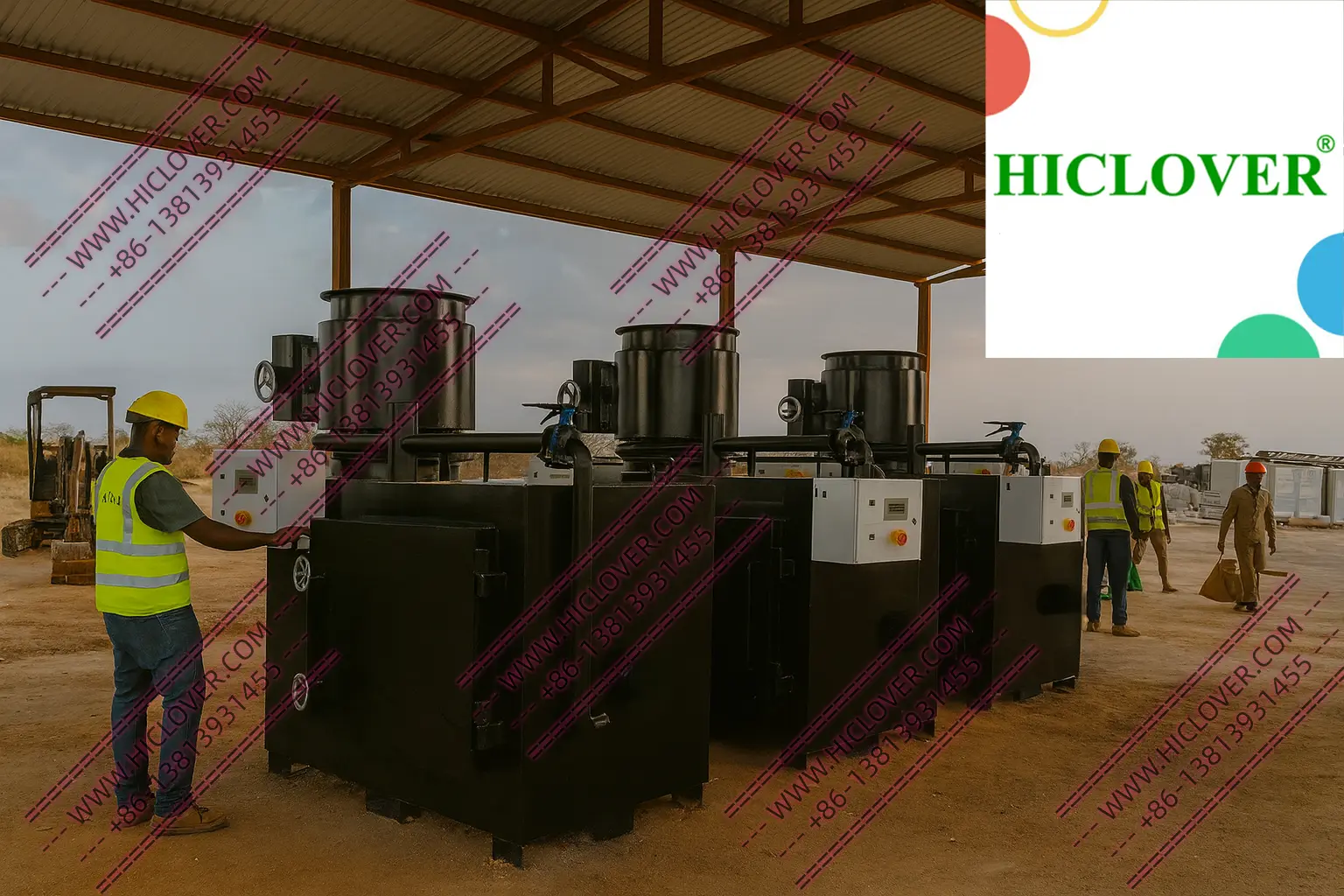
Waste incinerators form the backbone of safe, compliant thermal destruction for medical, hazardous, and municipal solid waste. Engineering reliability hinges on adherence to stringent industrial standards, notably secondary chamber temperatures exceeding 850°C to meet WHO and EU emission frameworks. HICLOVER’s 16-year specialization ensures systems, from a medical waste incinerator operating temperature standards-compliant unit to a SOLID WASTE BURNER for general refuse, are designed for global regulatory adherence, serving projects from Mauritius Medical Incinerator installations to Gabon encenerator deployments.
What key compliance standards must incinerators meet for African markets like Mauritius, Gambia, and Togo?
Regulatory frameworks typically reference WHO guidelines for healthcare waste and EU directives like 2000/76/EC on incineration, which mandate specific residence times, temperatures, and emission limits for particulates, acidic gases, and dioxins. National regulations in countries such as Gambia or Togo often adopt or adapt these international benchmarks. For a Togo incinerator with a burning capacity 1 kg/h, designed for small clinics or remote posts, compliance is not scaled down; it requires the same rigorous combustion principles—dual chambers, precise temperature control—to ensure complete destruction. This is critical for global infectious disease preparedness, where decentralized, on-site disposal must be as reliable as central facilities. HICLOVER’s engineering integrates these standards into core design parameters, ensuring units are pre-configured for regional approval processes. Further technical details on chamber specifications are available at HICLOVER’s technical portal.
How do HICLOVER’s factory certifications and direct manufacturing impact regulatory approval?
As a manufacturer rather than a trading company, HICLOVER maintains direct control over quality management systems, which is fundamental to obtaining and upholding certifications. The production facility operates under ISO-compliant processes, and incinerators can be furnished with CE marks or other region-specific certifications upon request. This factory-direct model is vital for projects requiring documented traceability, such as an Angola clover medical limited china partnership or a Sao Tome and Principe incinerator italy-brand burner specification. It ensures that every component, from the PLC control system to the optional wet or dry scrubber, is sourced and assembled to meet declared performance data. This supply chain resilience translates to consistent compliance documentation, reducing approval timelines for investors and business partners.
What technical features ensure a medical incinerator design meets Gambia’s or Gabon’s regulatory demands?
The Gambia medical incinerator design must account for variable waste types and the absence of sophisticated grid infrastructure. Key features mandated include a dual combustion chamber system, where the secondary chamber guarantees a minimum 2-second residence time at >850°C, and automated PLC control for maintaining this critical temperature window regardless of feed variability. For emission control, an optional dry scrubber (for acidic gases) or wet scrubber system can be integrated to meet particulate and gas limits. The choice between PLC vs manual control significantly affects compliance; automated systems provide audit trails and consistent operation, which regulators favor. Investors can investigate standard temperature requirements via a search for medical incinerator secondary chamber temperature standard. HICLOVER’s containerized modular systems are particularly suited for such markets, offering a plug-and-play solution with built-in compliance for remote mining/oil camps or island nations.
Why is the engineering behind burning capacity (e.g., 1 kg/h) critical for transactional compliance?
Specifying a Togo incinerator with a burning capacity 1 kg/h is not merely a throughput figure; it dictates the entire system’s thermal design, chamber volume, and emission control sizing to remain compliant at that scale. Undersized air pollution control systems on a small unit can lead to regulatory failures just as easily as on a large plant. HICLOVER’s customizable chamber volume and heat recovery options ensure that even low-capacity models achieve the mandated destruction and removal efficiency (DRE) of >99.99% for key pollutants. This precision engineering, combined with multi-fuel (diesel, LPG, natural gas) capability, allows for operation in areas with unstable energy supply, supporting decentralized waste management trends without compromising on environmental, social, and governance (ESG) compliance goals that investors increasingly prioritize.
How does HICLOVER’s global export model facilitate compliance for partners in Angola or Sao Tome and Principe?
Global export capability is supported by a deep understanding of destination country regulations. For an Angola clover medical limited china collaboration or specifying a Sao Tome and Principe incinerator italy burner, HICLOVER provides comprehensive technical documentation packs, including manuals, risk assessments, and predicted emission data sheets that align with local application processes. The advantage of factory manufacturing capability is the ability to customize aspects like scrubber type or control interfaces without resorting to third-party modifications that could void certifications. This end-to-end control, from engineering to after-sales support, ensures that the waste incinerators delivered are not only compliant at installation but are supported throughout their operational life, mitigating regulatory risk for business partners. This approach aligns with carbon emission reduction pressure by ensuring optimal combustion efficiency and minimal auxiliary fuel use over the system’s lifetime.